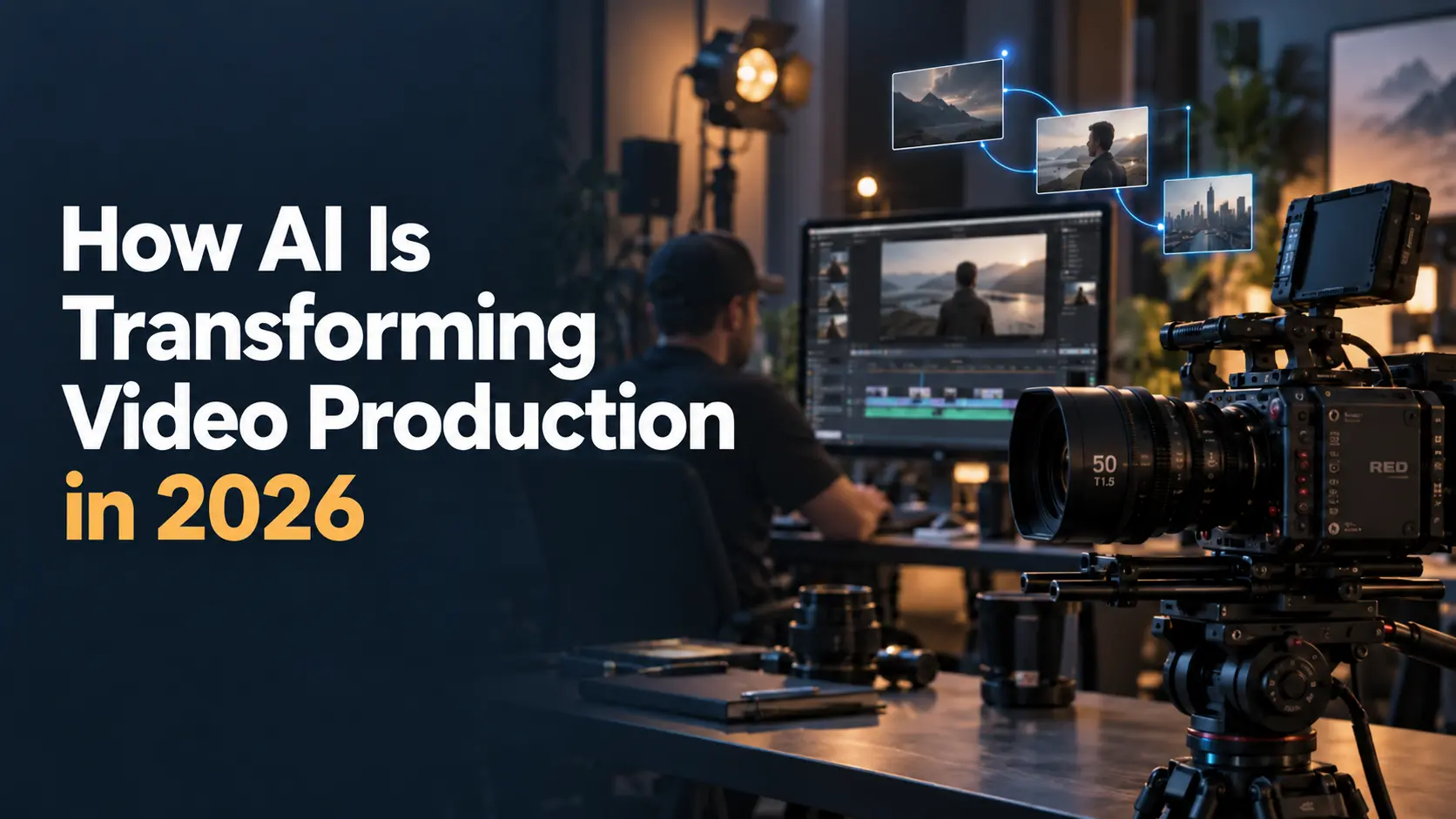
In 2026 AI is changing the ways in which businesses plan, produce, edit, and adapt their content. With the help of tools, a production team can explore a visual concept, create the necessary footage, schedule interviews, and prepare different language versions.
This means that when companies are hiring someone to make films, product explainers, or training material, they can start their projects more quickly. It also brings up a question—where exactly does automation improve the final video?
At MoreStudios communication starts with an understanding of the business, its audience, and the message, and AI proves to be useful in the sense that it supports these priorities at every stage of production.
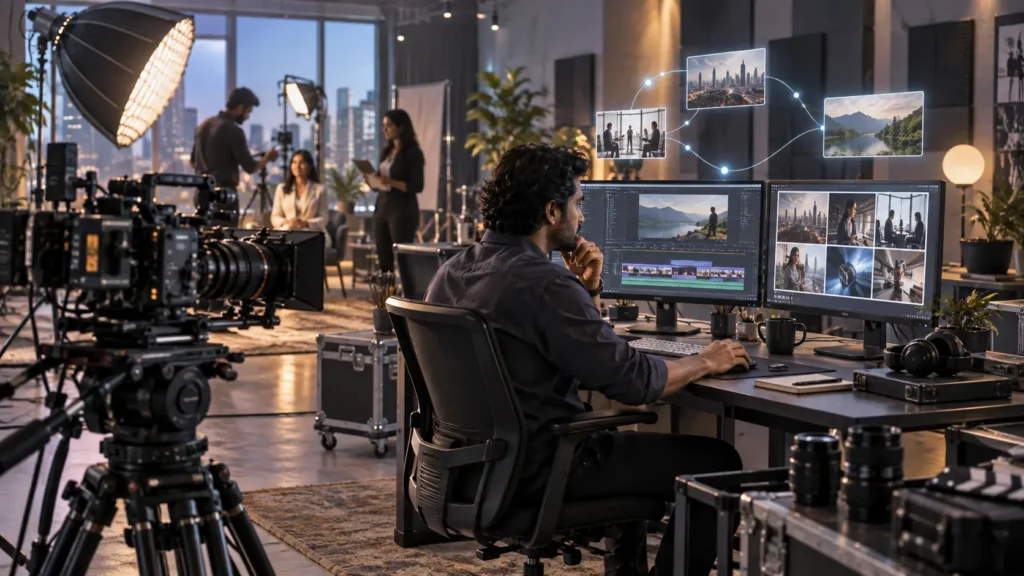
What AI Video Production Means Today
The term includes a number of activities. Generative tools are able to create images, clips, voices, or sounds. Furthermore, other systems help editors in analyzing existing material, finding the footage, cleaning the dialogue, or changing the presentation formats.
These abilities have uses; for example, a generated scene can be used to show a future idea, whereas a transcript helps an editor to organize a real interview. AI video production is therefore most effective when it involves a planned combination of tools, creative choices, and review stages.
The seven changes illustrated show how that approach can be used to support business communication.
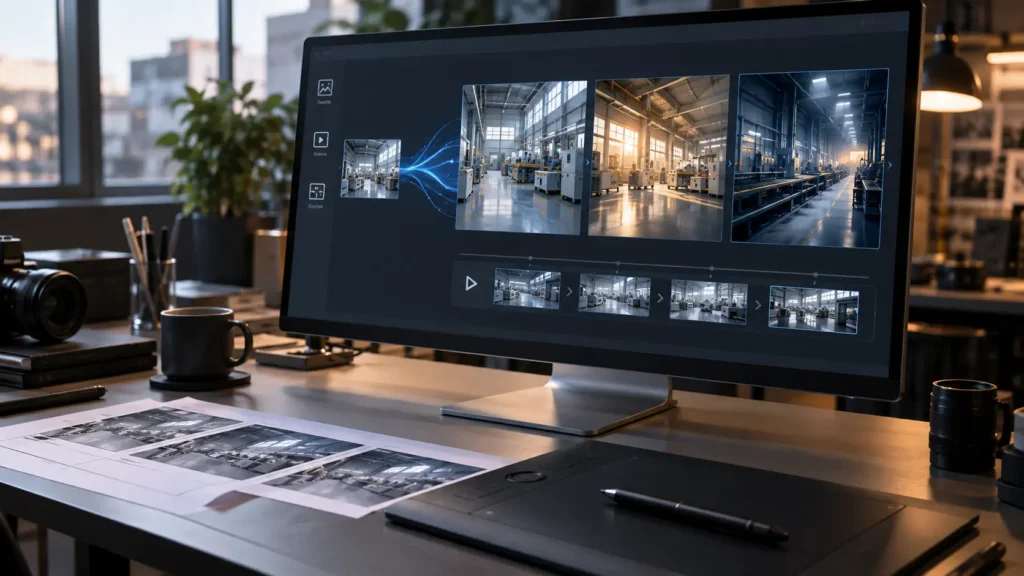
1. Speeding up the process of creating scripts and concepts
A video that’s effective starts with a clear brief. Language models are able to help organize the information that has been supplied in the form of outlines, suggest openings, and explore different ways of explaining a topic.
For instance, a manufacturer could create script instructions for customers, employees, and investors based on the same approved product information. Each of these versions would highlight the points that are important for its particular audience.
In the field of AI video production, this provides writers with material for assessment and improvement. Although the creative team has to check the statements, remove language, and make sure that the final script sounds appropriate for the company.
2. Seeing ideas before production starts
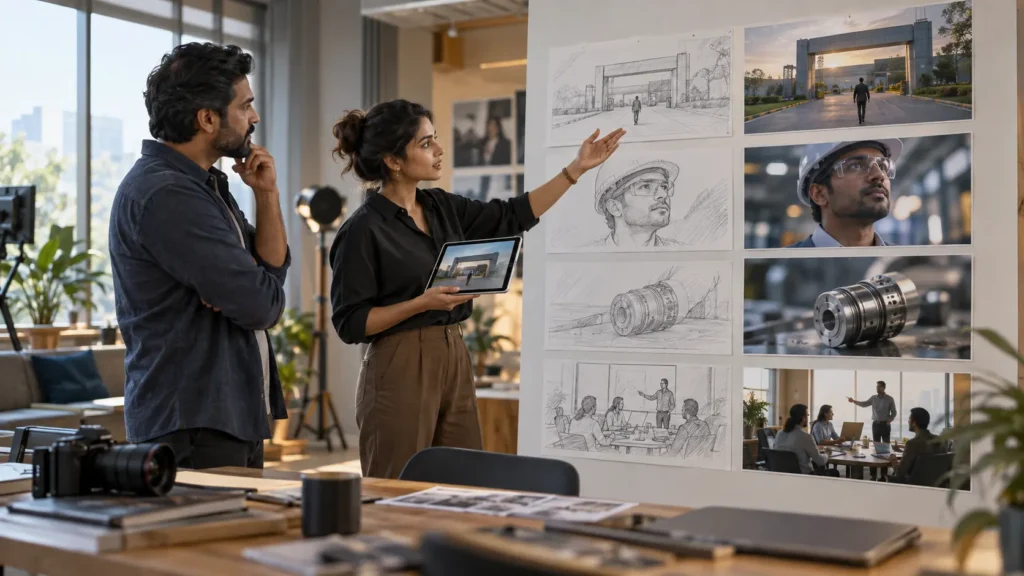
A description in writing may cause both clients and the production teams to imagine different scenes, whereas visual references make talks regarding composition, lighting, locations, and mood more concrete.
Using tools like Adobe Firefly’s storyboard generator, teams are able to create concepts for shots based on text and images. The storyboard frames can be used to facilitate discussions before detailed animation or filming takes place.
AI video production can be used to examine a number of visual styles when planning. For example, a team could compare an environment with a minimal studio setting and then select the one that best communicates the product. Reaching an agreement at a stage can reduce the number of unnecessary changes that occur in later stages.
3. The creation of supporting footage and concept scenes
Video tools are able to convert prompts or reference images into moving clips; for instance, . Adobe Firefly’s video generator accepts both text and image inputs when producing visual content.
It provides the possibility of creating sequences, atmospheric backdrops, transitions, and some supporting shots. For example, a film about technology could show what a future workplace might look like, while a campaign could look at treatments for an opening scene.
In the production of AI videos, each shot had to have a role, and its appearance, movement, and continuity had to match the rest of the footage. If the video was intended to show the company’s facility, equipment, or people, it was necessary to use genuine footage and approved assets as a reference.
4. Taking time for routine editing
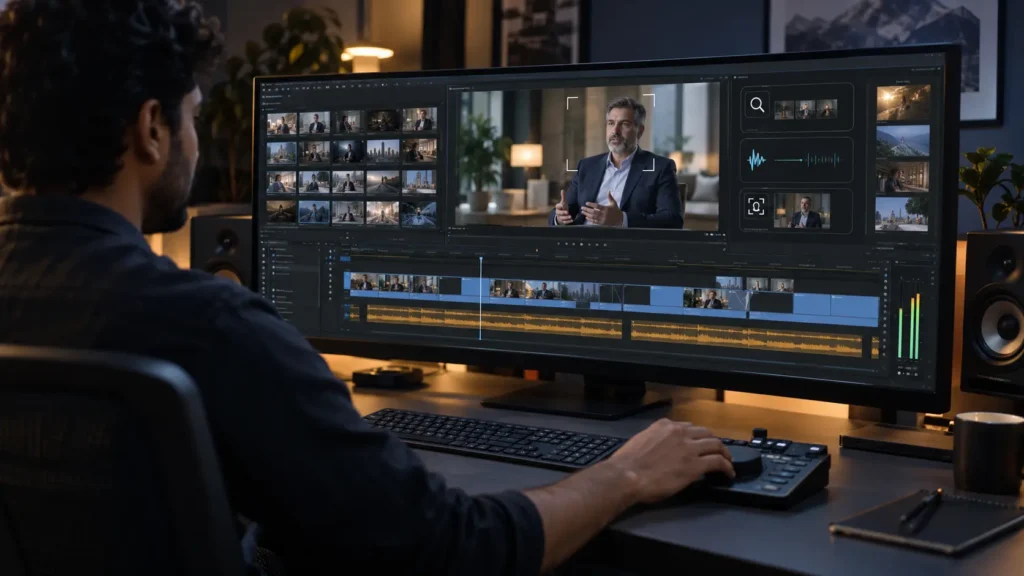
Editors usually need to look at a lot of footage before putting together a sequence. The Adobe Premiere’s AI editing features include footage search editing using transcripts, speech enhancement, and generative clip extension.
They can be used for an interview project to help find the remarks and to establish the first structure; the editor then refines the rhythm, chooses the appropriate visuals, and makes sure that each clip retains the speaker’s meaning.
AI can make the process of producing videos easier while still allowing for editorial choices. A clear timeline becomes important when the story is convincing and the information is accurate.
5. Preparing content for use in languages
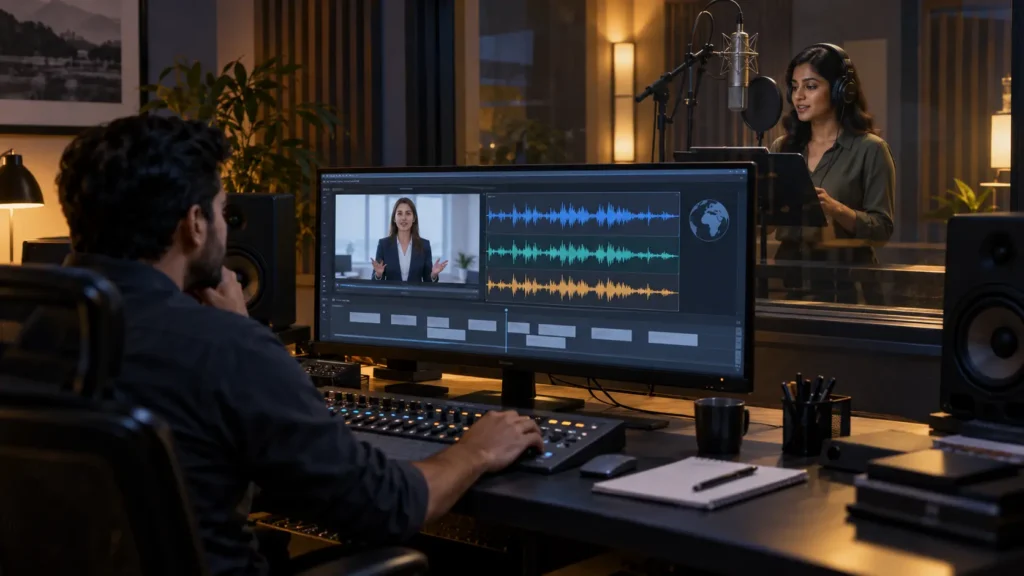
When companies operate in various regions, they usually need training and communication videos in more than one language. The process of translating the scripts recording the narration and matching the delivery to the visuals involves a great deal of coordination.
Platforms like ElevenLabs Dubbing offer the possibility of automated translation and dubbed audio, which can assist teams in preparing language versions for review as part of an AI video production workflow.
Since Indian audiences require attention to be given to pronunciation, technical vocabulary, and regional expressions, native speakers should verify both the meaning and the way the material is delivered, particularly in instructional content. MoreStudios’ training and educational video services help companies to develop content that meets the needs of their learners.
6. Adapting Videos for Different Platforms
Corporate films might need forms for use on social media in presentations and for campaigns. When producing each format, choices must be made regarding framing, pacing, captions, and the opening message.
Features like Premiere’s Auto Reframe assist in ensuring that the subject remains visible when the aspect ratio is changed, and editors can make use of this help when checking that products, faces, and important text are in the position.
AI video production does make certain adaptation tasks easier. Every version must have a communicative purpose. A brief clip should present an idea, including an appropriate ending and a clear next action for its audience.
7. The integration of AI with animation and live-action footage
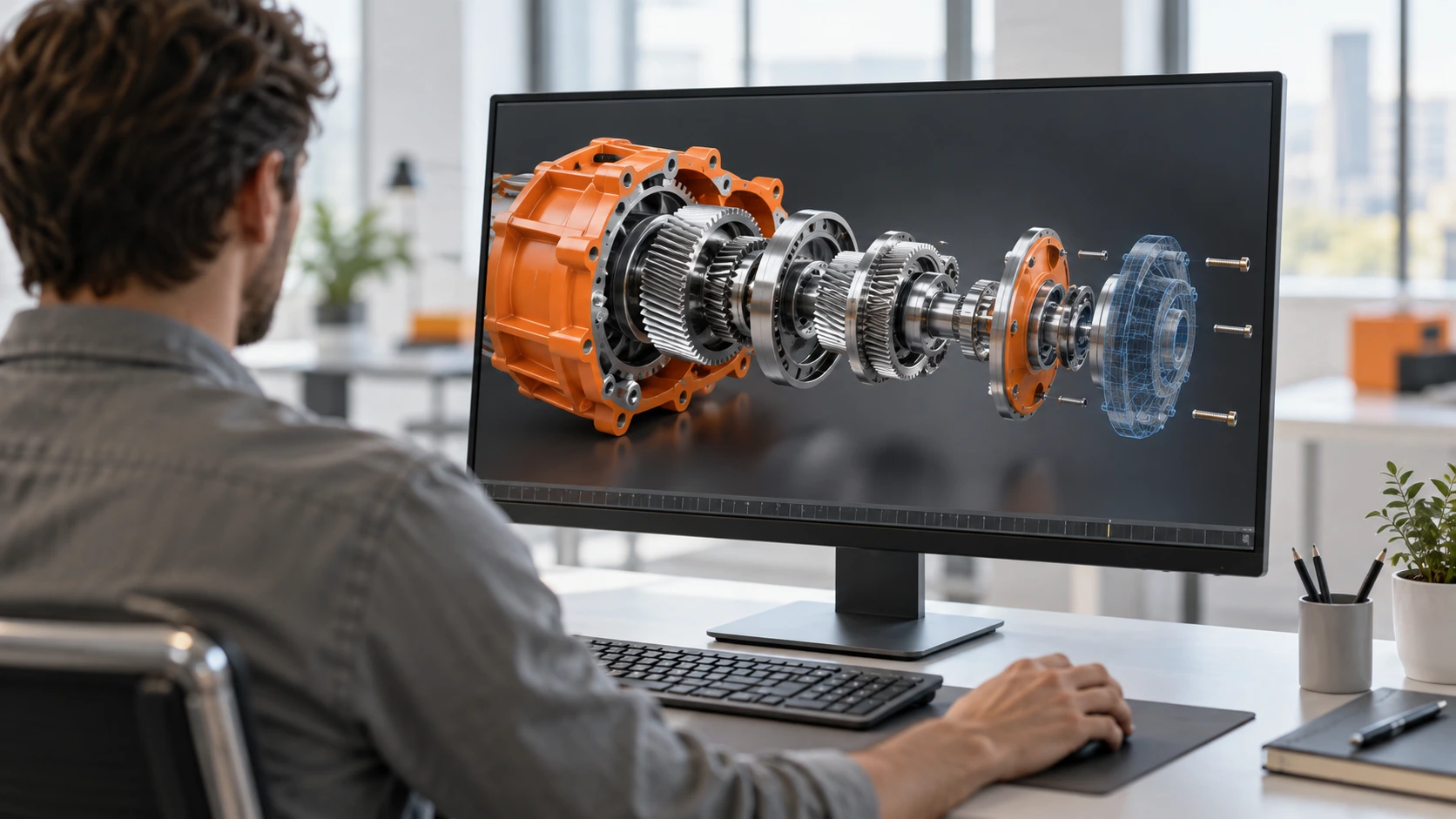
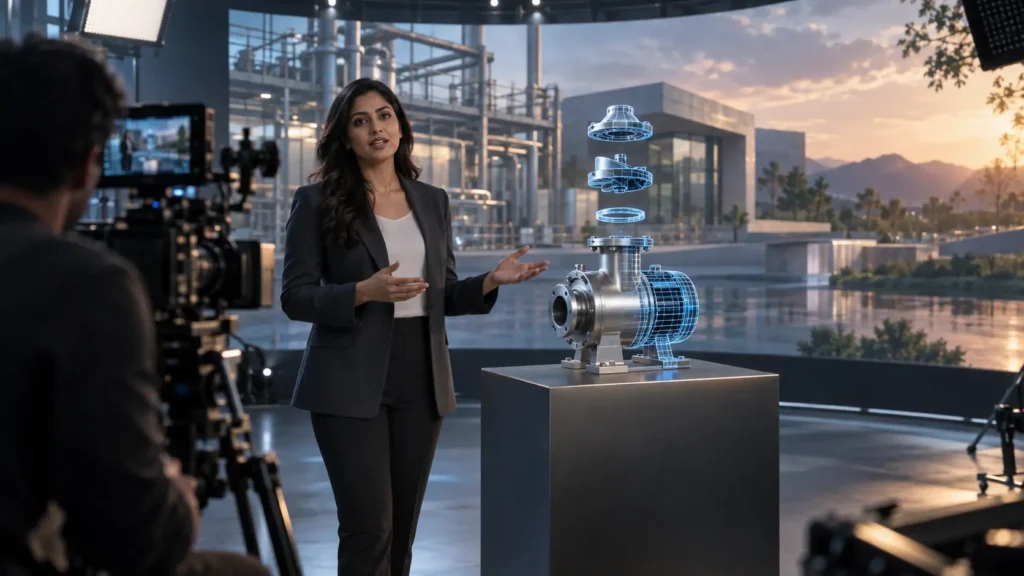
A project may include filmed interviews, controlled 3D animation, motion graphics, and generated imagery, each component being used depending on the degree of authenticity, precision, or visual freedom needed by the scene.
For product explainers, approved models help to maintain the dimensions and the relationships between components. Although generated content can be useful for exploring concepts or for the surrounding environment, this will be subject to review. Runway documents limitations regarding cause and effect and concerning objects appearing or disappearing, which are important when showing technical processes.
The benefit of this selection is that AI video production has it. MoreStudios’ animated video production services also offer a means of communicating products and ideas within the film industry.
Planning Costs, Reviews, and Responsibilities
Automation causes a shift in the areas where production effort is directed. The time gained from transcription or the initial visual inspection can then be put to use in checking the outputs, correcting inconsistencies, and preparing the versions.
A budget for producing videos using AI should include the costs of subscriptions, the number of generation attempts, editing, sound, and the time spent on review. A comparison of workflows provides a clearer understanding than assessing the cost of a single generated clip.
Before work starts, agree upon the approved references and the product details and decide who is to review each stage. Make sure that permission has been obtained for any uploaded material as well as for the use of any synthetic voice or likeness. When the responsibilities are clearly defined, the project will be able to progress with unresolved decisions.
When assessing a pilot, compare the time it takes to get an approved edit, the number of revisions, and the quality of the final output. You should also verify that the assets remain easy to update and reuse. Using these criteria enables a business to determine if the approach provides value beyond the initial impressive demonstration.
Where AI Video Production Is Heading
In 2026 there was also a trend towards interactive content. The company Runway introduced GWM Worlds 2 in September, a research preview that produces video and audio as the users direct a scene.
This indicates the potential for exploring environments and testing concepts with immediate feedback. Since the technology is still under research and has recognized limitations commercial teams should assess its suitability before deciding to base a project on it.
The question that is useful for businesses is still which capability will improve the communication task and can be reliably evaluated.

Create Business Videos with MoreStudios
AI can help to achieve more flexible production, covering the whole process from the first ideas to final delivery. Yet successful outcomes still require a message, correct information, and careful creative direction.
More Studios combines corporate video production, animation, and training materials to assist companies in explaining their activities. We can help you evaluate how well technology meets the requirements of your project and then develop an approach tailored to your audience.
Contact MoreStudios to talk about your video project.