3D animation helps businesses explain products, demonstrate processes, and present ideas that are difficult to capture with a camera. It can reveal the mechanism inside a machine, show how materials move through equipment, or bring a proposed facility into view before construction begins.
For corporate audiences, these visuals connect technical information with practical understanding. A purchasing team can see how a product works, employees can follow a procedure, and stakeholders can explore a future project.
At MoreStudios, we combine visual storytelling with corporate video production to help businesses communicate their capabilities. Here are seven ways animation can strengthen that communication.
What Is 3D Animation?
This technique uses digital models to create moving images with depth, shape, materials, and lighting. Models can represent products, machinery, buildings, environments, or characters, depending on the story.
Artists develop the objects, define their appearance, animate their movements, and render the final scenes. Autodesk’s animation guide explains these stages, including modelling, texturing, rigging, lighting, and rendering.
A business video can use animated visuals throughout or introduce them alongside interviews and location footage. The decision should follow the message and the audience’s needs.
1. Making Complex Products Easier to Understand
Technical specifications describe a product, but an unfamiliar audience may need help connecting those details with its function. This is where 3D animation can provide a practical explanation.
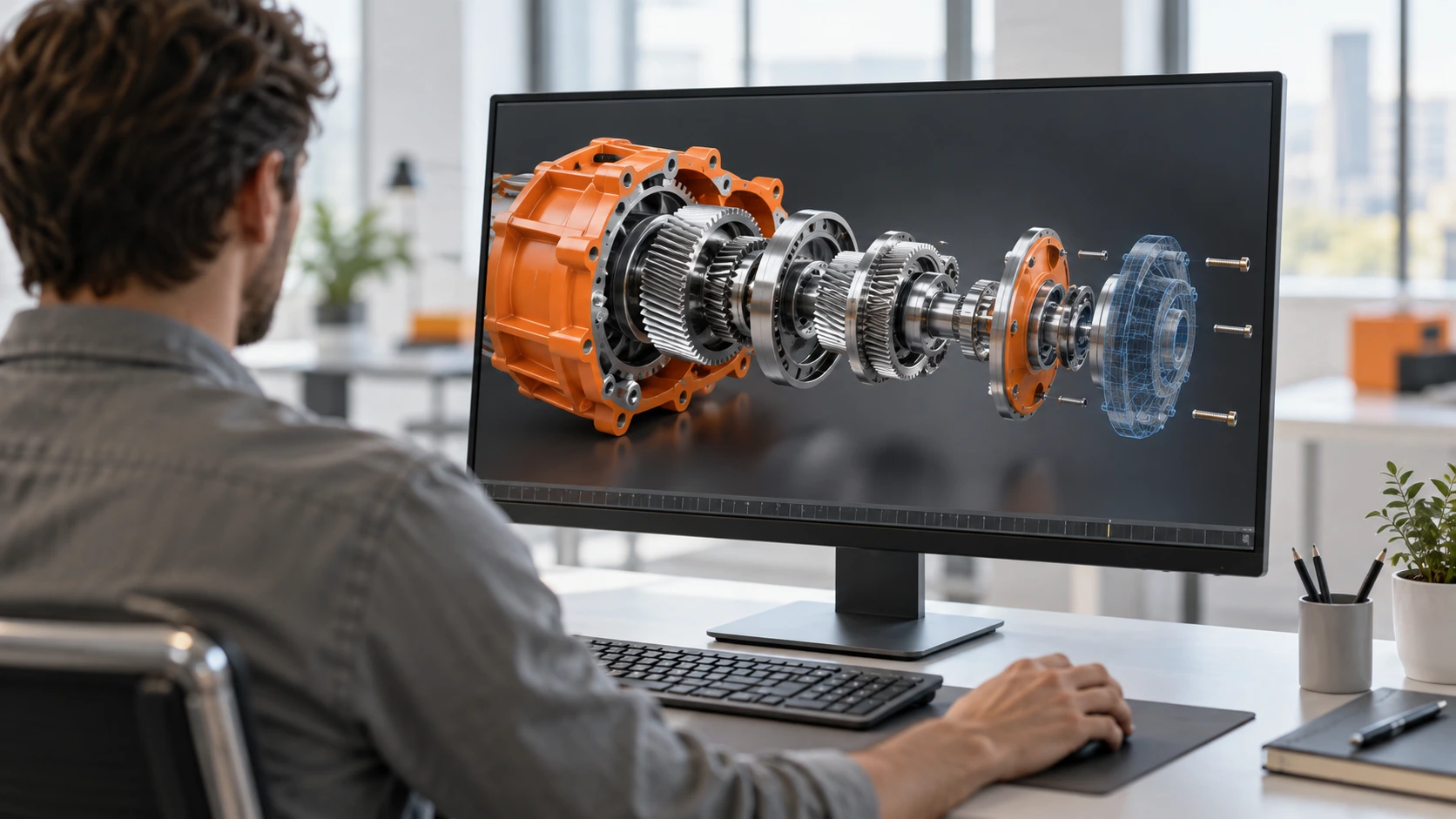
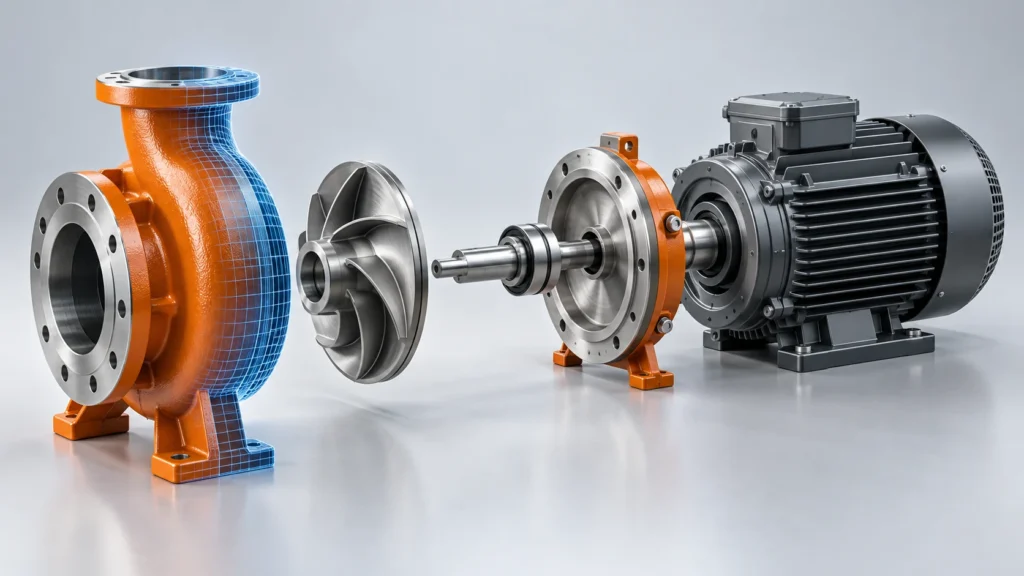
An exploded view separates components to show how they fit together. A cutaway reveals an internal mechanism. Controlled camera movement directs attention towards the feature being discussed.
For example, a pump demonstration can follow liquid from the inlet through the internal components to the outlet. Instead of imagining the process from a drawing, viewers can watch the sequence unfold. Sales teams can then use that explanation during presentations, exhibitions, and customer conversations.
2. Revealing Processes That Cameras Cannot Capture
Some operations take place inside sealed equipment, underground pipelines, or inaccessible structures. Others, including electrical flow and data transmission, require a visual representation because they cannot be filmed directly.
With 3D animation, transparent surfaces and highlighted pathways can make these processes visible. The audience can follow a specific sequence without competing activity obscuring the important details.
A technology company might illustrate how information travels between connected devices. A manufacturer could show material moving through a processing system. In either case, the representation should match the communication objective, with technical specialists reviewing the details that matter to accuracy.
3. Presenting Products Before They Are Manufactured
Marketing discussions and project approvals often start before there is a finished product to film. Approved drawings, CAD files, dimensions, and references can provide the foundation for a digital model.
A 3D animation can demonstrate the proposed product’s appearance, intended operation, and possible applications. This gives stakeholders something concrete to discuss during launch planning, investor presentations, or internal reviews.
The same approach applies to factories, infrastructure, and architectural projects. Proposed features should remain clearly identified, and visuals should reflect the latest approved design. Regular reviews help the production team incorporate changes before the final video is completed.
4. Connecting Technical Explanations with Real Footage
Live action introduces the people, facilities, and working environments behind a business. Interviews give leaders and employees a voice, while location footage shows the organisation in operation.
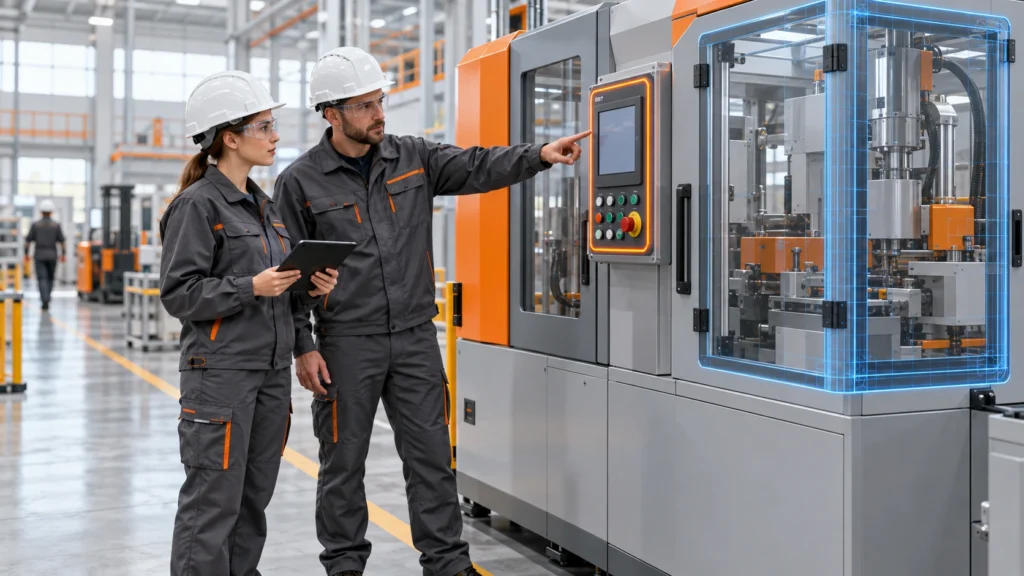
Combining this material with 3D animation allows a corporate film to explain what is happening beyond the camera’s view. A shot of a production line might transition into a machine’s interior, then return to the finished product.
The transition should follow the script naturally. Matching perspective, lighting, and visual style helps both formats feel connected. The result can give viewers a fuller understanding of the company’s processes, people, and capabilities.
5. Supporting Training with 3D Animation
Training content needs to show actions in an order employees can follow. Animated demonstrations can break procedures into manageable stages, highlighting the relevant control, component, or movement at each step.
This approach can support equipment operation, maintenance explanations, employee induction, and safety communication. A hazardous situation can also be recreated without staging the incident inside a working facility.
Subject experts should review the visuals against approved procedures. Clear labels, measured pacing, and suitable camera angles help keep attention on the task. MoreStudios’ training and educational video services support businesses developing instructional content for their teams.
6. Creating a Consistent Product Presentation
A digital environment gives creative teams control over camera angles, lighting, surfaces, and backgrounds. With 3D animation, this control helps maintain a consistent appearance across multiple products and promotional videos.
Accurate proportions and believable materials make product details easier to assess. Brand colours and graphic elements can support recognition while keeping the product central to the presentation.
Rendering turns the prepared scene into finished images. Tools such as Autodesk Arnold support the creation of detailed characters, products, and environments. The creative team’s choices about composition, materials, and lighting determine how clearly the final images communicate the subject.
7. Reusing Visual Assets Across Multiple Channels
A completed 3D animation project can provide assets for future communication. A suitable product model may support additional camera angles, product renders, installation explainers, and shorter promotional clips.
Planning these uses early helps the team decide which components require detail and which product variants should be included. It also makes it easier to prepare visuals for websites, presentations, exhibitions, and social media.
Reuse still requires production work. New designs may need model updates, while additional scenes need animation and rendering. Retaining organised source assets can reduce repeated modelling and create a useful starting point for later projects.
Planning Your 3D Animation Project
Start with the audience and the main question the video needs to answer. A purchasing manager may want to understand operational benefits, while a technician needs a clear view of the working mechanism.
Gather reliable references and develop a script before detailed production begins. A storyboard establishes the sequence, and an early animation preview helps confirm camera movement and timing.
Decide where the video will appear and how the audience will watch it. A short 3D animation shown during a sales meeting may need a different pace from a detailed equipment walkthrough. Exhibition screens may benefit from visual cues and captions, while a narrated presentation can provide more explanation. These decisions guide framing, text size, and timing. Assigning one person to consolidate feedback across all project stakeholders keeps reviews focused and helps resolve conflicting instructions before they affect later stages of production.
The production scope should account for model complexity, existing assets, visual style, video length, and revision requirements. Agreeing on these details early makes budgets and schedules easier to manage.
Finally, voiceover, captions, editing, and sound should work together. Viewers need enough time to understand each important point before the story moves forward.
Bring Your Business Story to Life with MoreStudios
3D animation gives businesses a way to explain hidden processes, introduce future products, and make technical information easier to follow. Its value comes from choosing visuals that serve a clear purpose.
MoreStudios offers animated video production services alongside corporate films and training content. We bring scripting, visual planning, animation, and editing together to shape business information into a coherent story.
Have a product, process, or project that needs a clearer visual explanation? Contact MoreStudios to discuss your next corporate video.