Animation has become a powerful tool for businesses in today’s visually-driven digital world. Whether for explainer videos, product demos, marketing campaigns, or training modules, animation helps businesses simplify complex ideas, tell compelling stories, and engage audiences effectively. But the big question many companies face is: What is the difference between 2D and 3D animation?
In this detailed guide, we explore the difference between 2D and 3D animation, their benefits, drawbacks, and which option fits your business goals best
What is 2D Animation?
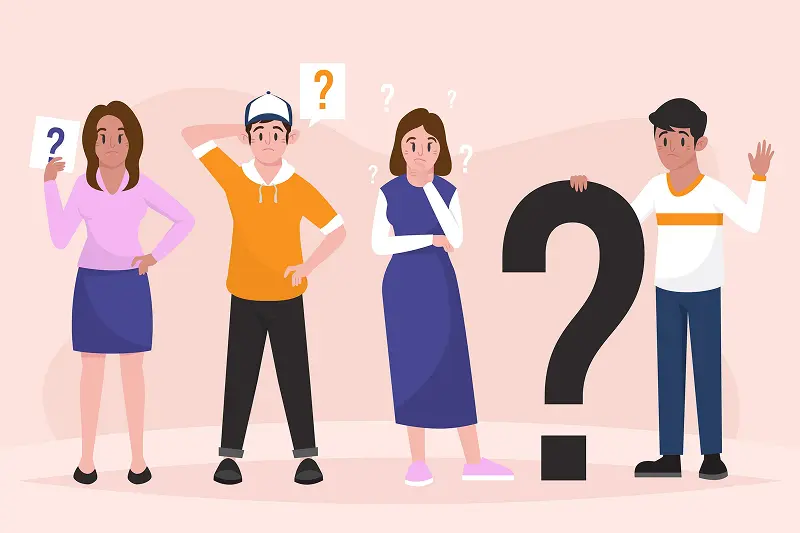
2D animation refers to creating characters, objects, and scenes in two-dimensional space. Everything is flat – with only height and width but no depth. Classic cartoons, whiteboard videos, and infographics are examples of 2D animation.
Common 2D animation uses:
- Cartoon-style explainer videos
- Animated infographics
- Whiteboard animations
- Educational content
- Social media visuals
2D animation is popular for its simplicity, quick production, and affordability.
What is 3D Animation?
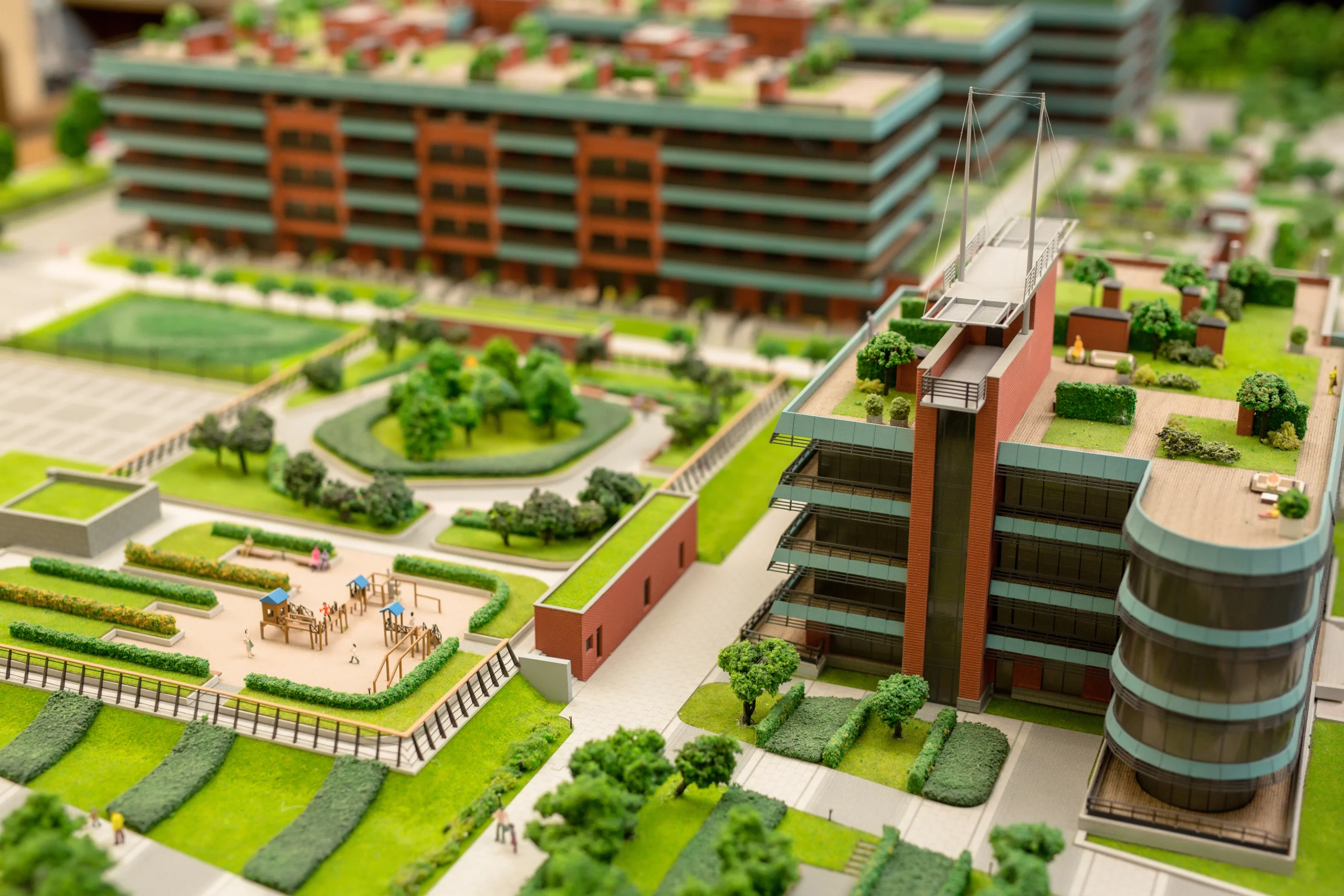
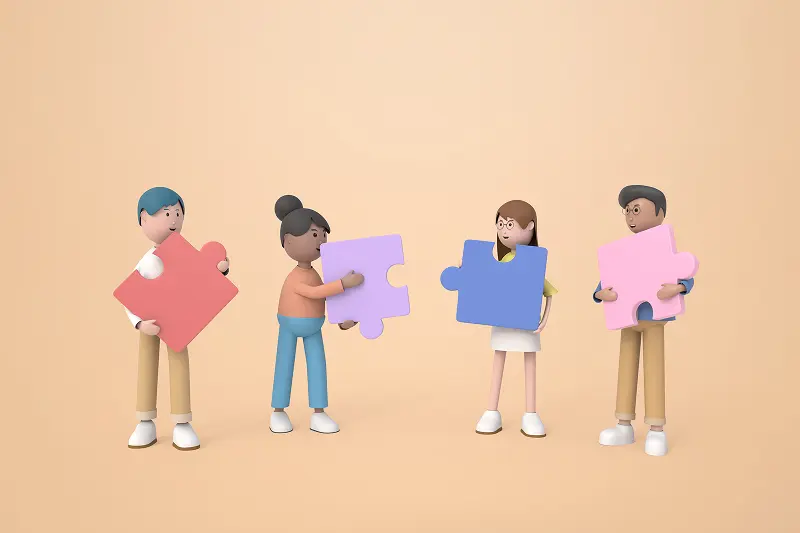
3D animation works in three-dimensional space, adding depth to objects, making them look lifelike and realistic. It simulates real-world physics, allowing objects to rotate and move naturally.
Common 3D animation uses:
- Product visualizations
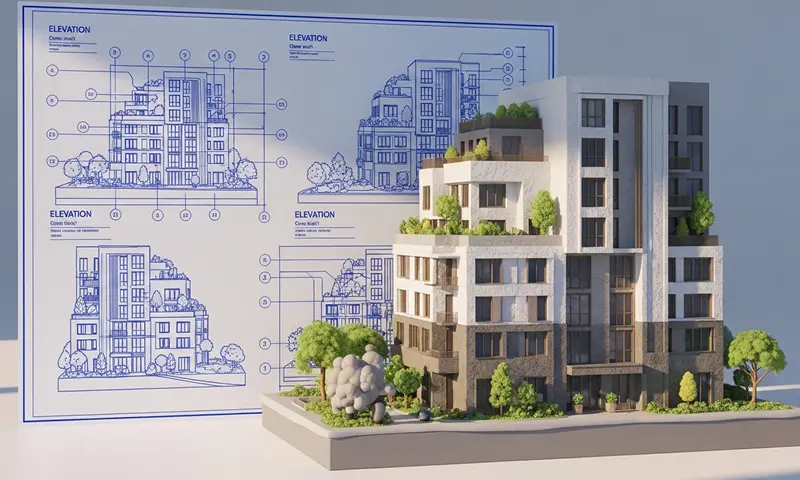
- Architectural walkthroughs
- Character animations in games and films
- High-end explainer videos for tech or machinery
- Virtual simulations and training modules
3D animation requires more resources but creates immersive and visually stunning content.
The Difference Between 2D and 3D Animation: Visual Comparison
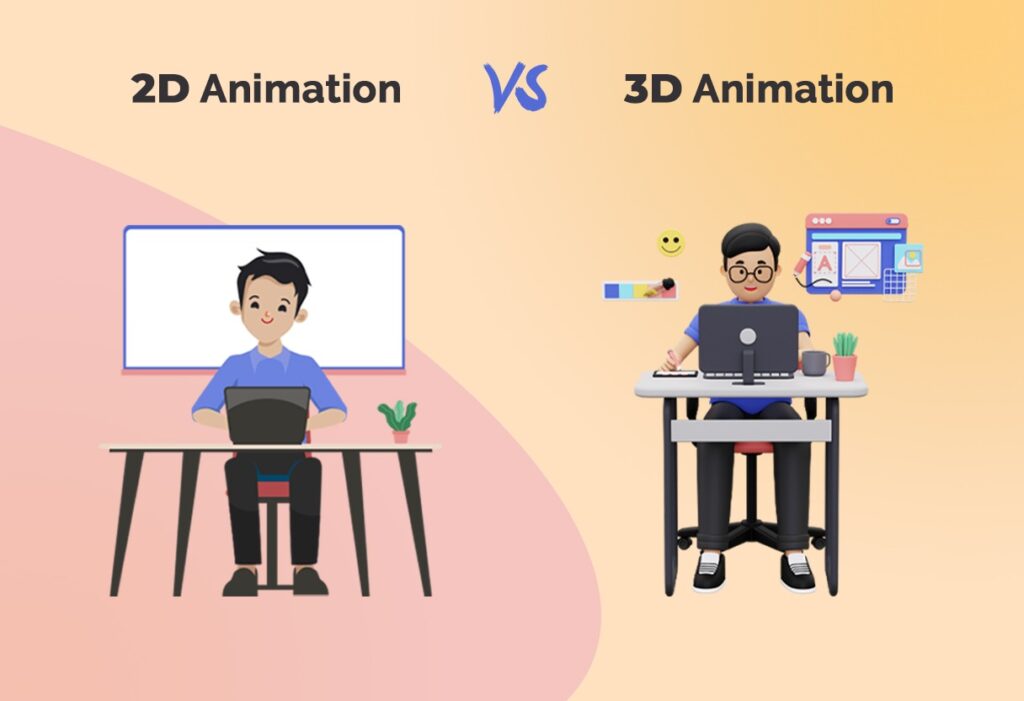
The key visual difference is depth. 2D animation looks flat and stylized, great for simple storytelling and instructional videos. 3D animation offers realism and immersion, perfect for product demos and advanced simulations.
2D Visual Style: Ideal for cartoons, apps, and digital explainers
3D Visual Style: Best for realism, product representation, and high-end effects
Cost and Time Differences
2D animation is generally more budget-friendly and faster to produce. It requires less rendering time and fewer technical resources. This makes it ideal for startups or companies producing quick-turnaround marketing content.
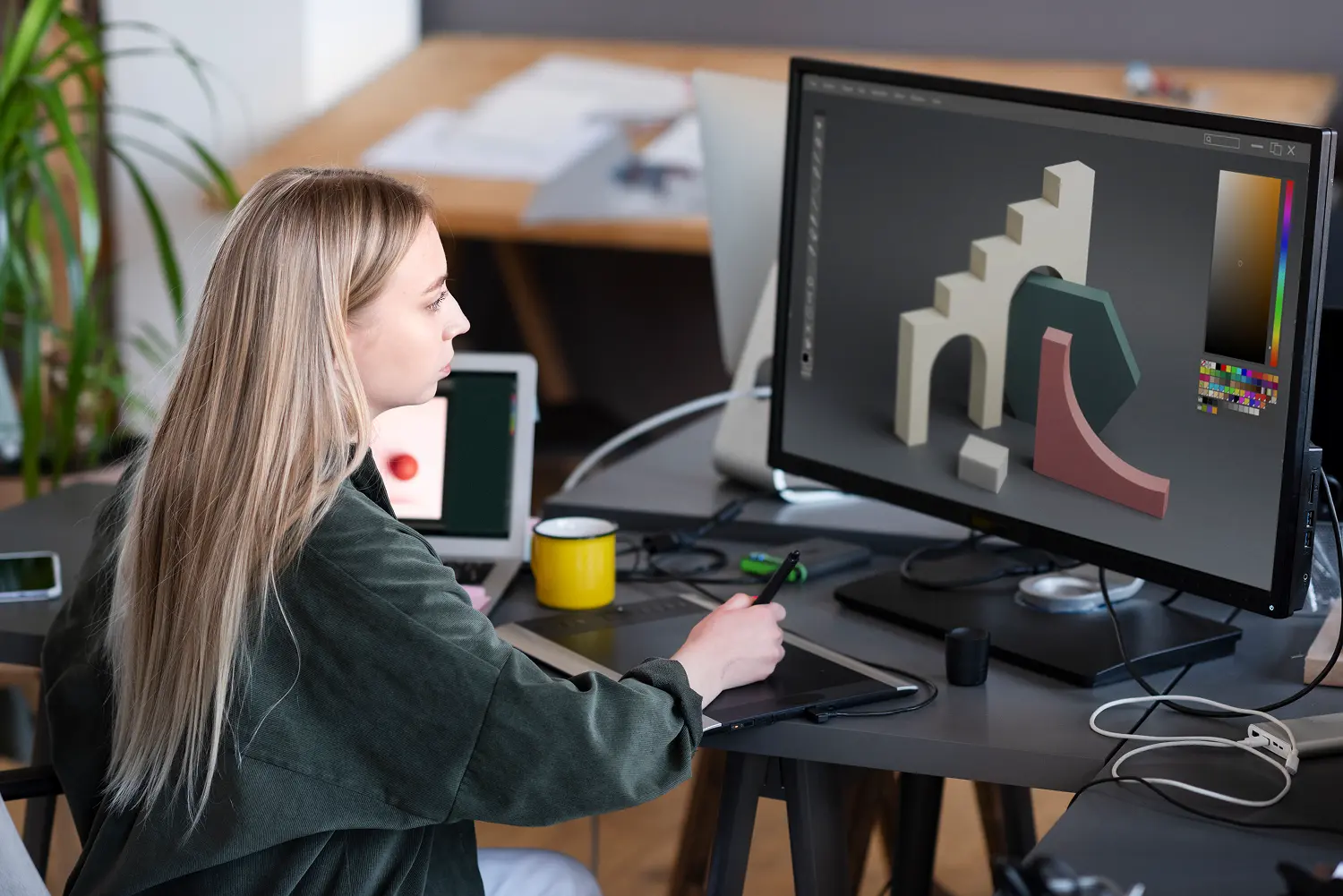
3D animation, on the other hand, is more resource-intensive. It often involves modeling, texturing, lighting, and rendering, which can take more time and increase production costs. However, the results are visually superior and more immersive.
| Feature | 2D Animation | 3D Animation |
| Cost | Lower | Higher |
| Production Time | Faster | Slower |
| Complexity | Simpler visuals | More technical |
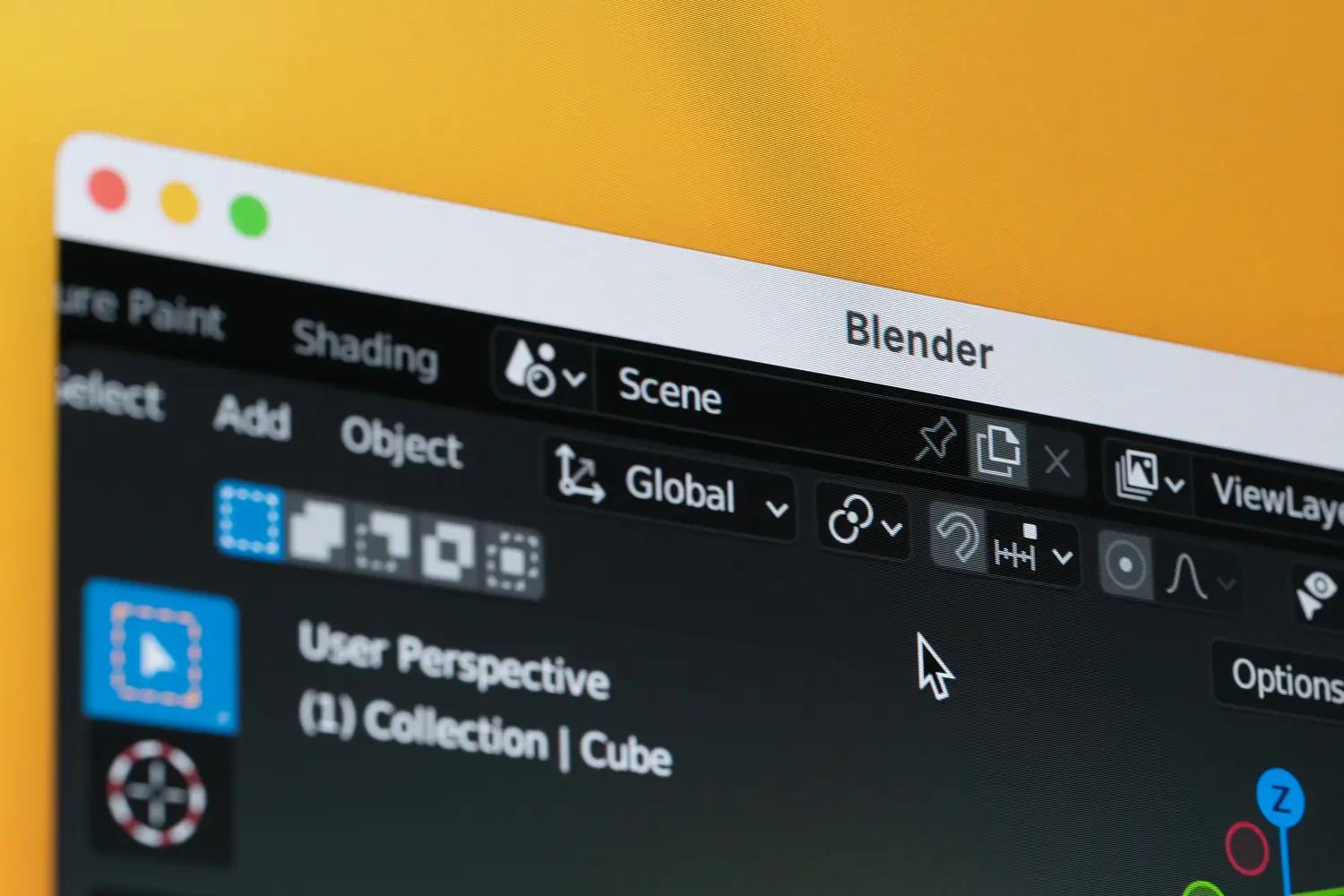
| Tools Used | Adobe Animate, After Effects | Blender, Autodesk Maya, Cinema 4D |
For startups on a budget or projects with a quick turnaround, 2D animation is often best. For brands that want to impress with high-quality visuals, 3D is ideal despite the higher cost and time investment.
When to Choose 2D or 3D Animation for Your Business?
Choose 2D Animation If:
- You need a quick and affordable solution
- Your story is simple and doesn’t require realism
- You’re targeting social media or short-form platforms
- You want an explainer video or cartoon-like style
- You’re running campaigns on a limited budget
Choose 3D Animation If:
- You need to show a product from all angles
- You want to simulate a process, movement, or assembly
- You aim to impress with high-quality visuals
- You’re creating content for exhibitions, websites, or investor pitches
- You want to build brand authority with cutting-edge visuals
Pros and Cons of 2D and 3D Animation
Pros of 2D Animation
- Budget-friendly
- Faster turnaround
- Great for storytelling and brand characters
- Easier revisions
- Works well on mobile
Cons of 2D Animation
- Less realistic
- Limited camera movement
- Not suitable for complex simulations
Pros of 3D Animation
- Visually impressive and realistic
- Perfect for product visualization
- Dynamic camera angles and lighting
- Reusable assets (models, environments)
- Ideal for industrial or technical subjects
Cons of 3D Animation
- Higher cost
- Longer production time
- Steeper learning curve or tool dependency
Examples in Business Use
2D for Education & Marketing:
A Delhi-based edtech startup used 2D animated explainers to simplify concepts in science and math for school students. The flat, minimal visuals kept learners focused and made the content accessible.
3D for Product Demo:
A Noida-based electronics manufacturer created a 3D animation for its new smart home device. The video showcased internal components, real-time usage, and 360-degree visuals that made it easier for B2B buyers to understand.
What About Hybrid Animation?
In some cases, businesses use a combination of 2D and 3D animation, blending the best of both worlds. For instance, using 3D animation for product modeling and 2D animation for text overlays or user interaction scenes.
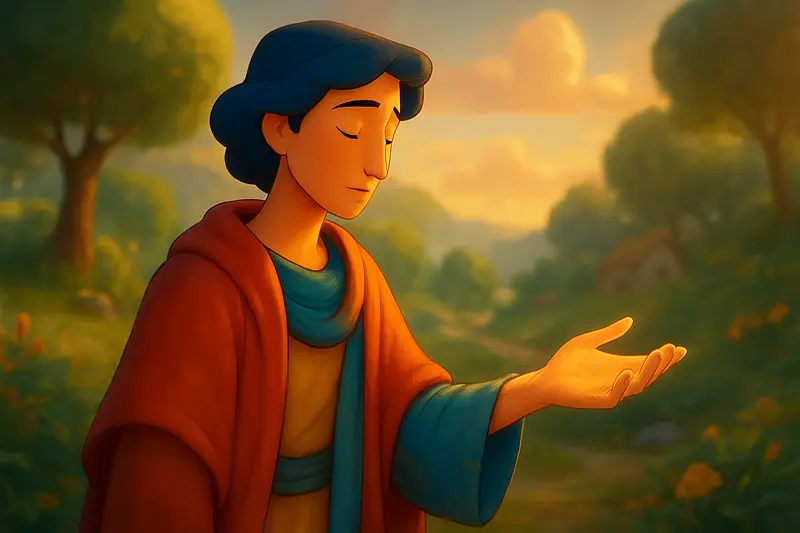
This hybrid approach can be more engaging and effective, depending on the message and target audience.
Hybrid Animation: Best of Both Worlds
Some businesses use a combination of 2D and 3D animation. For example, 3D modeling for products paired with 2D animated text overlays or UI elements. This hybrid approach maximizes engagement and clarity.
Popular Tools For 2D Animation:
- Adobe After Effects
- Toon Boom Harmony
- Vyond
- Moovly
- Doodly
Popular Tools For 3D Animation:
Animation:
- Blender (free, open-source)
- Autodesk Maya
- Cinema 4D
- Houdini
Each tool offers different features and learning curves, but all are powerful when used with the right creative direction.
SEO & Marketing Impact
Animation doesn’t just improve visual appeal – it boosts digital performance:
- Higher Engagement: Animated videos keep users on your website longer.
- Better SEO: Videos can improve time on page and lower bounce rate.
- Conversion Boost: Explainer videos can increase conversions by up to 80%.
- Stronger Branding: High-quality animation creates a premium brand perception.
Final Thoughts: Which Is Right for You?
Both 2D and 3D animation offer unique benefits, and the right choice depends on your goals, audience, budget, and timeline.
If you’re a startup looking to explain your product with clarity and minimal cost, 2D animation is a great starting point. If you’re a manufacturer in Delhi wanting to showcase your product’s design and functionality in a visually immersive way, 3D animation is your best bet.
At the end of the day, animation is an investment in communication. The better you explain your value, the more impact you’ll have.
Ready to Animate Your Brand?
At MoreStudios, we offer both 2D and 3D animation services tailored to your business goals. Whether you’re looking to simplify a message, visualize a product, or boost conversions, our team delivers stunning visuals that connect with your audience.